

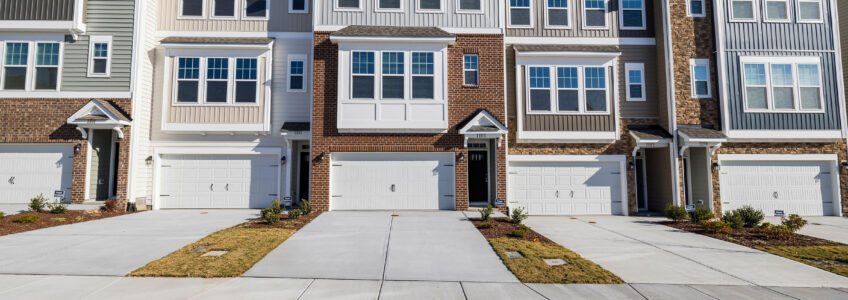
An HOA fall property inspection shows your board exactly what needs work while there's still time to fix it. Once the ground freezes, most outdoor repairs stop until spring. A careful walk in early fall gives you a clear list, a clear order, and enough lead time to get vendors scheduled.
This guide is part of our HOA fall maintenance checklist series.
Pick the Right Time and the Right People
Walk the property early in the fall. That leaves time to get bids and finish work before the first freeze. Plan a second, shorter walk after most leaves are down to check gutters and drains.
Bring at least one board member and your community manager. For roofs or large trees, ask a vendor to join you. Walk during the day for most items. Save the lighting check for after dark.
What to Look At
Go section by section so nothing gets missed. A site map helps. Mark each problem on the map as you go.
Pavement
- Sidewalks. Cracks, heaved slabs, and edges someone could trip on.
- Roads and parking lots. Potholes, open cracks, and faded striping.
- Curbs. Broken or crumbling sections, especially near plow routes.
Water gets into open cracks, freezes, and pushes them wider. Sealing cracks in fall can slow that damage.
Buildings
- Roofs. Missing or lifted shingles and loose flashing.
- Siding and trim. Gaps, rot, and peeling paint.
- Windows and doors. Worn caulk and broken seals.
- Foundations. New cracks and spots where water pools.
- Gutters. Sagging runs, loose hangers, and leaks at the seams.
Grounds
- Trees. Dead limbs over roofs, walkways, and parking spots.
- Shrubs. Growth that blocks lights, signs, or sight lines.
- Drainage. Low spots, washouts, and blocked drain grates.
Signs and Lighting
- Signs. Faded, bent, or missing signs, including stop signs.
- Lighting. Fixtures that are broken, blocked, or out.
Amenities
- Pools. Closing tasks and cover condition.
- Playgrounds. Loose hardware and worn surfacing.
- Clubhouses. Heating, plumbing, and door locks.
- Fences and gates. Leaning posts and broken latches.
Keep a Simple Log
A good log turns a walk into a plan. For each issue, write down:
- Location. Building number, unit, or map spot.
- Problem. A short, plain description.
- Photo. One clear picture per issue.
- Owner. Whether the association or the homeowner is responsible.
Check your governing documents when you're unsure who owns a repair. Roofs, gutters, decks, and doors vary from one community to the next. Sorting this out now prevents arguments later.
Sort Repairs Into Three Groups
Rank each item by priority.
- Safety first. Trip hazards, dead limbs over walkways, and dark paths. Fix these right away.
- Before winter. Anything that gets worse with snow and ice, like gutters, drains, and open cracks.
- Spring list. Items that can safely wait, like repainting or replacing worn signs.
This order keeps your board focused. It also gives you a clear answer when a homeowner asks why one job got done before another.
Turn the List Into Work Orders
A list only helps if someone acts on it. Assign each item to a vendor, set a target date, and track it to completion. Get bids early. Contractors book up fast in the fall.
Share a short summary with homeowners too. Residents feel better when they can see the board has a plan. Your spring list can also feed straight into fall budget planning for next year.
The Community Associations Institute, a nonprofit for HOA boards and managers, has more resources on board duties and community upkeep.
Get Help With Your Fall Inspection
Association One managers walk properties every season. We document what we find, sort it by priority, and line up the right vendors so your board can focus on decisions.
Or call 1 (833) 737-8663 to talk with our team.