


HOA Fall Budget Planning Guide
HOA fall budget planning works best when it starts with what actually happened this year. Your board has nearly twelve months of spending to learn from. Use it to set real numbers and plan for the work ahead. It also helps you avoid the kind of surprise that leads to a special assessment.
This guide is part of our HOA fall maintenance checklist series.
Start Early
Most associations need to approve a budget and share it with owners before the new year begins. Check your governing documents for deadlines and notice rules. Then work backward to set dates for drafts, board review, and approval.
Many Minnesota HOAs fall under state law in Chapter 515B. It has rules on budgets and dues. Your lawyer or manager can tell you which rules apply to you.
Look Back at This Year's Spending
Start with a line-by-line comparison of your budget and what you actually spent. Look for:
- Overspending. Where you went over, and by how much.
- Underspending. Money left over that may have been budgeted too high.
- Timing gaps. Bills that will hit before year-end but haven't been paid yet.
Ask your manager for a year-to-date report with a forecast through December. That gives you a view of the full year.
Track Down the Surprises
Every community has a few unplanned costs each year. A burst pipe. A fallen tree. A roof leak after a storm. List each one and ask two questions:
- Was it a one-time event? If so, it may not need its own budget line.
- Was it a warning sign? A repair that keeps coming back may point to a bigger project ahead.
A repair you make every year may cost less to fix once and for all.
Look Ahead at Maintenance and Projects
Next, pull together everything your board already knows is coming:
- Fall inspection list. Items your fall property inspection moved to spring.
- Capital projects. Work carried over from this year's HOA capital project review.
- Reserve study. Major items due for repair or replacement in the next few years.
Each one needs a cost estimate and a funding source. Small jobs most often come out of the yearly budget. Big ones most often come out of reserves.
Review Your Contracts
Many costs are locked in by contracts. Check each one before the budget is final.
- Renewals. Which contracts end soon, and do you plan to rebid them?
- Price increases. Built-in raises or new rates from vendors.
- Snow removal. Whether you pay per visit or a flat seasonal rate, and what a heavy winter could cost.
- Insurance. When it renews and how much the price may go up.
In Minnesota, give snow removal a close look. A per-visit contract can swing widely from a light winter to a heavy one. Build in enough cushion to cover a tough year.
Fund Reserves on Purpose
Base reserve contributions on your reserve study, and set them before you fill in other costs. Low reserves often lead to a special assessment when a big job comes due. Steady saving spreads the cost fairly over time.
Explain the Budget to Homeowners
Most homeowners won't read every line item. Send a short, plain summary with the budget:
- What dues pay for. The main categories in simple terms.
- What changed. Any increase and the reason for it.
- What's coming. Major projects planned for the year ahead.
A budget that's easy to read gets fewer complaints and more trust.
Get Help Building Your Budget
Association One prepares draft budgets, tracks spending all year, and gives boards clear monthly reports. When budget season comes, your board starts with accurate numbers already in hand.
Or call 1 (833) 737-8663 to talk with our team.

HOA Capital Project Review
A fall HOA capital project review gives your board a clear picture of where every big project stands. Some jobs are done. Some are stalled. A few still need to happen before the snow flies. Sorting them out now makes year-end decisions easier and gives you solid numbers for next year's budget.
This guide is part of our HOA fall maintenance checklist series.
Big Projects and Day-to-Day Upkeep
Capital projects are large, planned jobs that replace or rebuild major parts of the property. Think roof replacements, road paving, siding, decks, or a new pool. They are usually paid for from reserve funds.
Routine upkeep is the small, regular work. Think mowing, gutter cleaning, and light fixes. It comes out of the yearly operating budget.
This review looks at the big projects first. It also helps you catch large repair jobs that got missed.
Start With Three Questions
Pull out your project list from the start of the year. Go through it line by line and ask:
- What's been completed?
- What's still outstanding?
- What needs to happen before year-end?
Your community manager should be able to answer these with dates, costs, and vendor notes.
Close Out Finished Projects
Before you mark a job complete, confirm:
- Final walkthrough. Someone has checked the work in person.
- Punch list. Small fixes are done and signed off.
- Final invoice. The cost matches the contract and any approved changes.
- Lien waivers. The contractor and suppliers have been paid in full.
- Warranties. Copies are on file, with start and end dates.
- Photos. Before and after pictures are saved for future boards.
Good records help the next board, the next reserve study, and the next homeowner who asks when the roof was replaced.
Find Out Why Projects Stalled
When a project falls behind, find the cause before deciding what to do next. Common reasons include:
- Vendor delays. The contractor is booked out or slow to respond.
- Higher costs. Bids came in over budget.
- Approvals. The board or owners still need to vote.
- Weather. Rain or heat pushed the schedule back.
Each cause has a different fix. A vendor delay may need a firm start date. A cost problem may need new bids or a phased plan.
Decide What Happens Before Year-End
Some work can't wait. Outdoor jobs like paving, concrete, and roofing often depend on the weather. If those can't be finished before it gets too cold, decide now whether to push them to spring.
For spring projects, sign contracts this fall or winter if you can. Good contractors fill their schedules early. Locking in a spot can also help with pricing.
Compare Progress to Your Reserve Study
Your reserve study lists major parts of the property, how long they should last, and how much to save for each. Check this year's projects against it.
If big projects keep getting pushed back, the study may no longer match reality. Delays can mean higher costs later or parts that fail before they're replaced. Many boards update their reserve study on a regular cycle to stay on track.
For more on reserves, see the Foundation for Community Association Research. This nonprofit shares research and tips for HOA boards.
Share the Update With Homeowners
Homeowners pay for these projects, so keep them informed. A short newsletter update works well. List what got done, what's coming next, and when. Clear updates build trust and cut down on questions.
Your project review also feeds straight into HOA fall budget planning for the year ahead.
Get Help With Your Big Projects
Association One helps boards plan, bid, and track capital projects from start to finish. We keep the records, follow up with vendors, and report progress at every board meeting.
Or call 1 (833) 737-8663 to talk with our team.
HOA Exterior Lighting Checklist
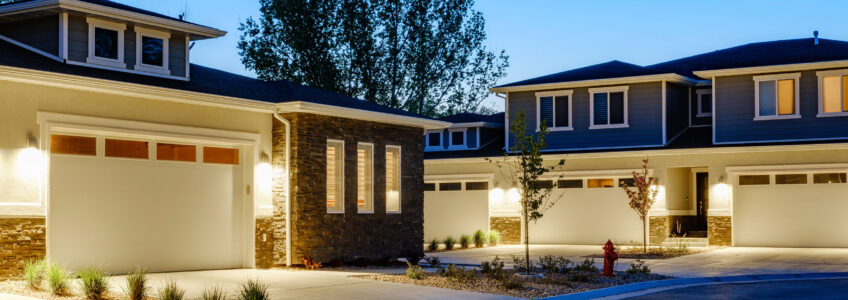
An HOA exterior lighting checklist helps your board find dark spots before residents start coming home after sunset. By November, many people leave for work and return in the dark. Bright paths, doors, and lots help people avoid falls. They also make the whole place feel safer.
This guide is part of our HOA fall maintenance checklist series.
Do a Night Walk
Lighting problems are hard to spot during the day. Walk the property after dark with a flashlight and a site map. Follow the routes residents actually use, from parking spots to front doors and mailboxes. Mark every dark stretch and every fixture that's out.
Areas to Check
- Walkways and paths. Every stretch should be lit from end to end.
- Stairs and ramps. Each step should be easy to see.
- Building entrances. Doors, entry gates, and vestibules.
- Parking areas. Lots, garages, and guest spots.
- Mailbox stations. Residents should be able to read keys and labels.
- Trash enclosures. People use these at night more than you'd think.
- Amenities. Clubhouse entries, pool gates, and playground paths.
- Signs. Entry monuments and address signs that guests and first responders rely on.
Common Problems to Fix
- Burnt-out bulbs. Replace them all at once if several are near the end of their life.
- Flickering fixtures. These often point to wiring or ballast problems.
- Broken lenses. Cracked covers let in water and bugs.
- Dirty sensors. Light sensors caked with dirt or leaves may keep lights off.
- Blocked light. Overgrown trees and shrubs can hide a working fixture.
Blocked fixtures are easy to miss. Add them to your fall pruning list. Our guide to HOA fall leaf removal and landscaping covers pruning with your vendor.
Reset Timers When Daylight Saving Time Ends
Daylight saving time ends on the first Sunday in November. Lights on simple timers may now turn on an hour too late. Reset them that week.
You can also skip the reset for good. A light sensor turns lights on when it gets dark. A smart timer shifts with the sunset all year. Either one means no more clock changes twice a year.
Consider LED Upgrades
If your community still uses older bulbs, fall is a good time to price out LEDs. The U.S. Department of Energy says LEDs use far less power and last much longer than old bulbs. Longer life means fewer service calls and fewer dark spots between visits.
A few tips when choosing fixtures:
- Warm color. Softer, warmer light is easier on the eyes at night.
- Shielded fixtures. These aim light down instead of into bedroom windows.
- Even coverage. Avoid bright spots next to deep shadows.
Know Who Owns Each Light
Some lights may not be yours to fix. Lights on a unit may be the owner's job. Some street lights are owned by the city or the power company. Check your governing documents, then make a simple map that shows who handles each light. Report city or utility lights to the right office as soon as they go out.
Plan for Snow
Light poles near driveways and parking lots get hit by plows every winter. Mark them with stakes or reflectors before the first snow. Ask your snow removal vendor to note pole locations on their route map.
Get Help Keeping Your Community Well Lit
Association One tracks light problems and books repairs for the communities we manage. We work with electricians and the power company too. Residents report a dark spot in one place, and our team follows up until the light is back on.
Or call 1 (833) 737-8663 to talk with our team.
HOA Ice Dam Prevention Guide
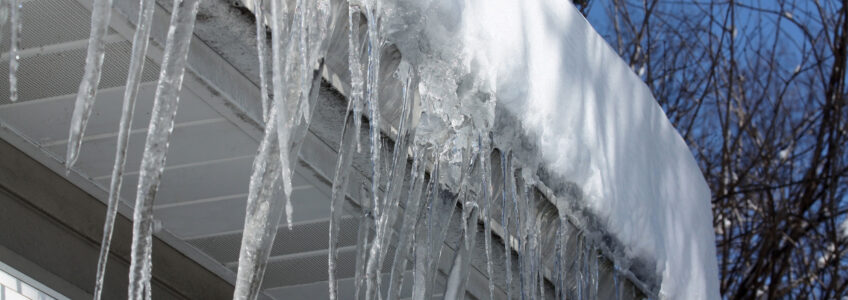
HOA ice dam prevention starts in the fall, long before the first icicle shows up. Clear gutters, well-placed downspouts, and open drains keep meltwater moving off roofs and away from buildings. When water can't drain, it freezes in the wrong places. That leads to roof leaks, icy walkways, and damage that often shows up months later.
This guide is part of our HOA fall maintenance checklist series.
How Ice Dams Form
An ice dam is a ridge of ice along the edge of a roof. It forms when heat from inside the building warms the roof and melts the snow on top. The water runs down to the colder roof edge and freezes again. Over time, the ice builds up and traps more water behind it. That water can work its way under shingles and into ceilings and walls.
Clogged gutters make the problem worse because they hold water and ice right at the roof edge. But the main cause is heat escaping through the attic. The University of Minnesota Extension has a helpful guide on what causes ice dams and how to prevent them.
So your fall plan needs two parts: keep water moving, and find the roofs that lose too much heat.
Clean Gutters After the Leaves Come Down
Timing counts. Gutters cleaned in early October can fill right back up. Schedule the main cleaning after most trees are bare. In wooded areas, plan a second pass.
While the crew is on the ladder, ask them to check for:
- Sagging runs. Gutters that hold standing water.
- Loose hangers. Brackets pulling away from the fascia.
- Leaky seams. Drips at corners and joints.
- Damaged guards. Gutter guards that are bent or packed with debris.
Point Downspouts Away From Buildings
A clean gutter only helps if the water has somewhere to go. Downspouts that dump next to a foundation create puddles. Those puddles freeze into slick spots on walks and drives. They can also lead to basement leaks.
- Extensions. Make sure each downspout carries water several feet away from the building.
- Splash blocks. Replace any that are missing, cracked, or tipped toward the house.
- Underground drains. Run water through buried lines to make sure they flow freely.
Clear Storm Drains and Low Spots
Look past the buildings too. Leaves and debris collect in drain grates, catch basins, and swales. A blocked drain sends water across roads and sidewalks, where it freezes overnight.
- Drain grates. Clear leaves and trash from every one.
- Catch basins. Check for buildup and schedule cleaning if needed.
- Swales and ditches. Remove debris so water can flow.
Walk the property during a steady rain if you can. You'll see where water actually goes. Mark any spot where it pools. Those are the places that turn into ice sheets in winter. Some may need regrading next spring.
Check Roofs and Attics, Too
Gutters and drains handle the water. The roof and attic decide how much melting happens in the first place. Ask residents where they saw ice dams or big icicles last winter. Those buildings should go to the top of your list.
A roofer or energy auditor can check for:
- Thin insulation. Not enough to keep heat from reaching the roof.
- Air leaks. Gaps around lights, vents, and attic hatches.
- Poor ventilation. Attics that trap warm, moist air.
These fixes cost more than gutter cleaning, so they may belong in next year's budget. Fall is a good time to get them on the list.
Know Who Is Responsible
Responsibility for roofs, gutters, and attics varies from one community to the next. In some, the association handles all of it. In others, owners maintain their own units. Check your governing documents before scheduling work. If owners are responsible, send a reminder about fall gutter cleaning.
Have a Winter Plan Ready
Even with good prep, a heavy snow year can bring ice dams. Decide now:
- Who removes roof snow. Use a trained vendor, not residents on ladders.
- Who residents call. Share the number for reporting leaks.
- How fast you respond. Set clear steps for urgent water damage.
Your fall HOA property inspection is a good time to spot gutter and drainage problems before they turn into winter emergencies.
Get Help Protecting Your Buildings This Winter
Association One coordinates gutter cleaning, drainage repairs, and roofing vendors for the communities we manage. We also track which buildings had problems last winter, so prevention starts in the right places.
Or call 1 (833) 737-8663 to talk with our team.
HOA Fall Leaf Removal Guide
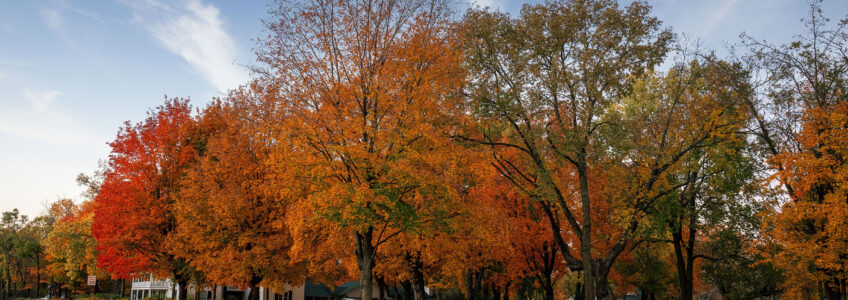
Good HOA fall leaf removal starts with a plan, made with your landscape vendor before the first leaves drop. Leaves come down over several weeks. A single cleanup day rarely covers it. When boards agree on the schedule early, common areas stay neat and nothing gets buried under the first snow.
Plan for More Than One Visit
Trees drop leaves at different times. Maples often go early. Oaks can hold their leaves into late fall. A cleanup in mid-October may look great for a week, then disappear under a fresh layer.
Most communities need at least two or three passes. Ask your vendor to save the final cleanup until most trees are bare. That last visit also clears leaves out of gutters, beds, and drains before winter.
What to Confirm With Your Vendor
Read your contract before fall starts. Then confirm these details in writing:
- Number of visits. How many leaf cleanups are included, and when.
- Areas covered. Lawns, beds, curbs, parking lots, and drain grates.
- Removal method. Whether leaves get hauled away or mulched in place.
- Early snow. What happens if snow falls before the final cleanup.
- Extra visits. The cost of an added pass if the season runs long.
Also make clear which areas belong to the association and which belong to owners. Vendors can't clean what they don't know they're responsible for.
Mulch or Haul Away?
Both work, depending on how many leaves you have.
- Light layers. A mower can chop leaves into small pieces and leave them on the lawn. They break down over the winter.
- Heavy layers. Thick, wet mats can smother grass. These should be raked or blown up and hauled away.
Ask your vendor which approach fits each part of the property. Wooded areas may need hauling. Open lawns may do fine with mulching.
Keep Leaves Out of Streets and Storm Drains
Leaves in the street don't stay there. Rain carries them into storm drains, which often flow straight to nearby ponds and lakes. As they break down, they release nutrients that feed algae.
Research from the U.S. Geological Survey found that leaves are a major source of phosphorus in city stormwater. Timely leaf pickup and street cleaning cut those levels in a big way.
Ask your vendor not to blow leaves into private roads or onto curbs. Clear drain grates during each visit. Clean drains also prevent puddles that turn into ice later. For more on that, see our guide to HOA ice dam prevention and drainage.
Finish the Rest of the Fall Yard Work
Leaf cleanup is one piece of the season. Make sure your vendor also covers:
- Final mowing. One last cut at the right height before winter.
- Pruning. Trimming shrubs and small trees away from roofs, lights, and walkways.
- Bed cleanup. Cutting back plants and clearing debris.
- Sprinkler shutdown. Blowing out irrigation lines before the first hard freeze.
- Young trees. Wrapping trunks to protect them from rodents and winter sun.
Some trees are best pruned in late winter while they're dormant. Your vendor or a certified arborist can tell you which ones should wait.
Tell Residents the Plan
Share the leaf schedule in your newsletter or on the resident portal. A few simple requests help the crew work faster:
- Move cars. Keep vehicles off curbs and lots on cleanup days.
- Skip the dumping. Don't rake owner leaves onto common areas or into the street.
- Report problems. Let the manager know about clogged drains or missed spots.
Get Help Managing Your Landscape Vendor
Association One works with landscape vendors every fall. We confirm schedules, check the work, and follow up when something gets missed, so your board doesn't have to chase it down.
Or call 1 (833) 737-8663 to talk with our team.
How to Run an HOA Fall Property Inspection Before Winter Hits
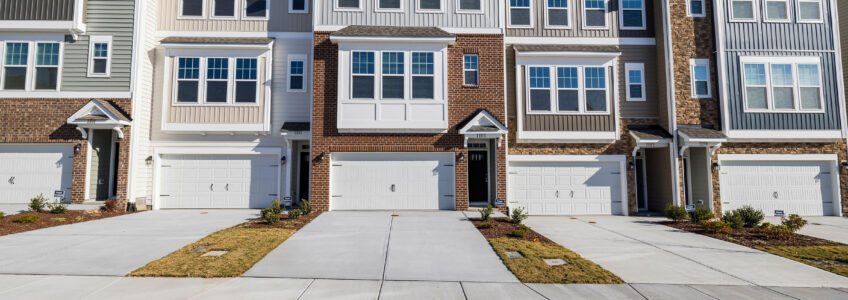
An HOA fall property inspection shows your board exactly what needs work while there's still time to fix it. Once the ground freezes, most outdoor repairs stop until spring. A careful walk in early fall gives you a clear list, a clear order, and enough lead time to get vendors scheduled.
This guide is part of our HOA fall maintenance checklist series.
Pick the Right Time and the Right People
Walk the property early in the fall. That leaves time to get bids and finish work before the first freeze. Plan a second, shorter walk after most leaves are down to check gutters and drains.
Bring at least one board member and your community manager. For roofs or large trees, ask a vendor to join you. Walk during the day for most items. Save the lighting check for after dark.
What to Look At
Go section by section so nothing gets missed. A site map helps. Mark each problem on the map as you go.
Pavement
- Sidewalks. Cracks, heaved slabs, and edges someone could trip on.
- Roads and parking lots. Potholes, open cracks, and faded striping.
- Curbs. Broken or crumbling sections, especially near plow routes.
Water gets into open cracks, freezes, and pushes them wider. Sealing cracks in fall can slow that damage.
Buildings
- Roofs. Missing or lifted shingles and loose flashing.
- Siding and trim. Gaps, rot, and peeling paint.
- Windows and doors. Worn caulk and broken seals.
- Foundations. New cracks and spots where water pools.
- Gutters. Sagging runs, loose hangers, and leaks at the seams.
Grounds
- Trees. Dead limbs over roofs, walkways, and parking spots.
- Shrubs. Growth that blocks lights, signs, or sight lines.
- Drainage. Low spots, washouts, and blocked drain grates.
Signs and Lighting
- Signs. Faded, bent, or missing signs, including stop signs.
- Lighting. Fixtures that are broken, blocked, or out.
Amenities
- Pools. Closing tasks and cover condition.
- Playgrounds. Loose hardware and worn surfacing.
- Clubhouses. Heating, plumbing, and door locks.
- Fences and gates. Leaning posts and broken latches.
Keep a Simple Log
A good log turns a walk into a plan. For each issue, write down:
- Location. Building number, unit, or map spot.
- Problem. A short, plain description.
- Photo. One clear picture per issue.
- Owner. Whether the association or the homeowner is responsible.
Check your governing documents when you're unsure who owns a repair. Roofs, gutters, decks, and doors vary from one community to the next. Sorting this out now prevents arguments later.
Sort Repairs Into Three Groups
Rank each item by priority.
- Safety first. Trip hazards, dead limbs over walkways, and dark paths. Fix these right away.
- Before winter. Anything that gets worse with snow and ice, like gutters, drains, and open cracks.
- Spring list. Items that can safely wait, like repainting or replacing worn signs.
This order keeps your board focused. It also gives you a clear answer when a homeowner asks why one job got done before another.
Turn the List Into Work Orders
A list only helps if someone acts on it. Assign each item to a vendor, set a target date, and track it to completion. Get bids early. Contractors book up fast in the fall.
Share a short summary with homeowners too. Residents feel better when they can see the board has a plan. Your spring list can also feed straight into fall budget planning for next year.
The Community Associations Institute, a nonprofit for HOA boards and managers, has more resources on board duties and community upkeep.
Get Help With Your Fall Inspection
Association One managers walk properties every season. We document what we find, sort it by priority, and line up the right vendors so your board can focus on decisions.
Or call 1 (833) 737-8663 to talk with our team.